Apps that pay you to walk: which ones pay real money for your steps?

Quick answer
Apps that pay you to walk do exist, but they pay very little: expect roughly $1 to $3 a month for 10,000 steps a day. WeWard pays out real cash to PayPal or a bank once you reach its minimum, while Sweatcoin mostly pays in coupons, discounts and its own crypto token. If you want real money from walking, walking dogs or delivering on foot pays far more.
Being paid to walk sounds like the perfect deal. You were going to walk to work, walk the dog or do your 10,000 steps anyway, so why not let an app pay you for it?
Apps that pay you to walk are real. But the word "pay" is doing a lot of work in their ads. Some give you cash, some give you coupons, and some give you a crypto token of uncertain value. Here's how they actually work, what your steps are really worth, and how to earn properly from walking if that's what you're after.
How apps that pay you to walk make money
No app has a pot of money for people who walk. They earn it from three places:
- Ads. You open the app every day to collect your steps, and it shows you ads. That daily habit is what the app is really selling.
- Partner offers. Brands pay to put discounts, free trials and products in front of an active, health-minded audience.
- Data and partnerships. Some work with brands, insurers or researchers who value activity data, usually in aggregated form.
Your reward is a small share of that. It's the same model as getting paid to watch videos: a real business, with a small cut left for you.
The main walking apps compared
| App | What you actually get | Cash out? | Realistic value |
|---|---|---|---|
| WeWard | Points for daily steps, plus bonuses for challenges and ads | Yes, to PayPal or a bank, after a minimum of around $15 | About $1 to $3 a month |
| Sweatcoin | About 1 coin per 1,000 steps, spent in a marketplace | Not as cash. Discounts, products or its SWEAT crypto token | About $0.50 to $2 a month |
| "Move to earn" crypto apps | Tokens for walking, often after buying digital sneakers | Into crypto, with wildly swinging value | Often negative after what you paid in |
| Insurer and employer wellness programs | Premium discounts, gift cards or cash for hitting goals | Depends on the program | Can be worth far more than any app |
The WeWard and Sweatcoin figures come from Fitcoin's side-by-side WeWard vs Sweatcoin comparison, which found a typical walker of 8,000 to 10,000 steps a day needs three to five months to reach WeWard's cashout minimum. You can see how Sweatcoin describes its own rewards on its App Store page.
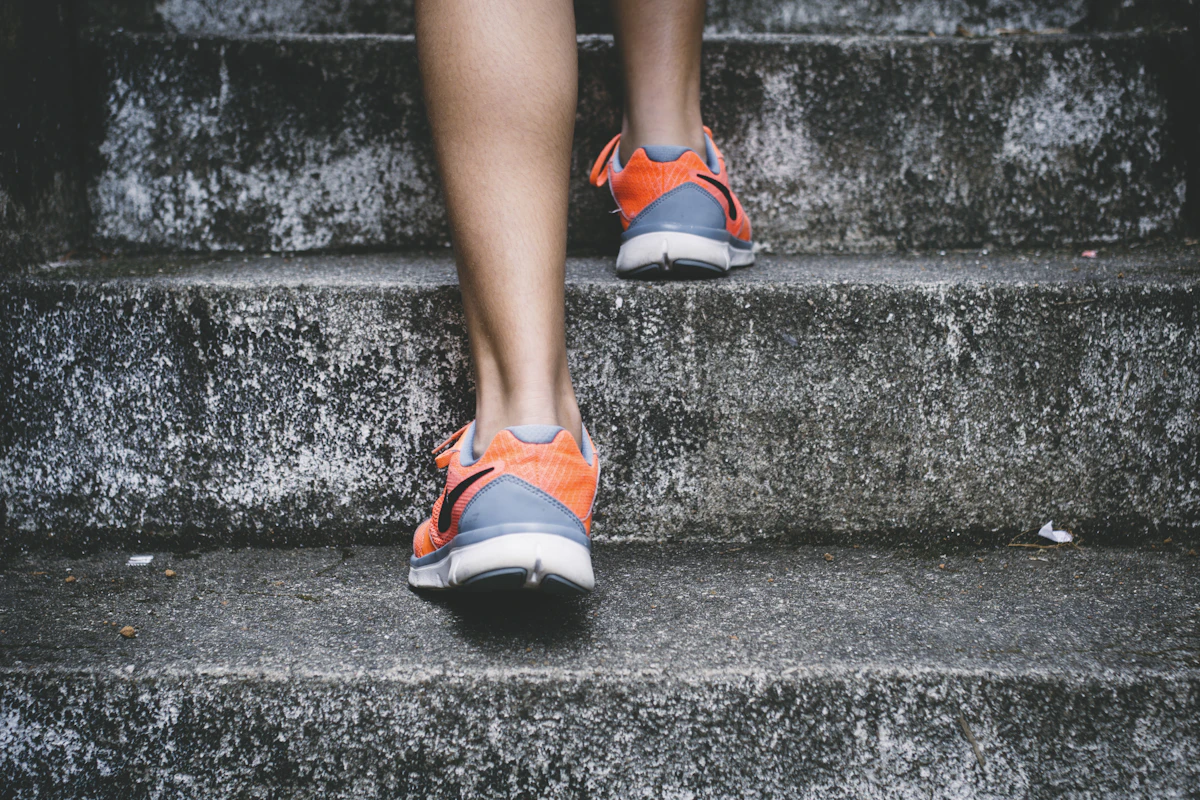
Ten thousand steps a day is great for you. Your bank account will barely notice. Photo by Bruno Nascimento on Unsplash.
How to get the most out of a walking app
If you do keep one, a few habits make a real difference to what it pays and what it costs you:
- Pick one app, not three. They all compete for the same steps, and three apps means three sets of ads and three drains on your battery.
- Check the cashout before you start. Know the minimum and how long it will take you to reach it at your usual step count.
- Trim permissions. A step counter needs motion data. It rarely needs your contacts, and it may not need location running all day.
- Do the daily bonus, skip the rest. Streak and challenge bonuses are where most of the value is. Watching every optional ad adds very little.
The one most people overlook: your insurer or employer
Before you download anything, check what you already have. Many health insurers and employers run wellness programs that reward step goals with premium discounts, gift cards or contributions to a health account. These are often worth more in a year than every step app combined, because the insurer benefits from you being healthier. Look in your insurance app or ask HR.
Avoid "move to earn" apps that make you pay first
Some crypto walking apps ask you to buy digital sneakers or tokens before you can earn. Early users made money, which is how these apps got famous, but the token values have tended to collapse once new buyers slowed down. If an app needs your money before it pays you, you're an investor, not a walker. And investing in a step-counter token is a big risk for a small reward.
Walking gigs that pay real money
If what you really want is to be paid for time on your feet, apps that count steps are the least efficient option. These pay properly:
Dog walking
Pet-care apps like Rover let you set your own price per walk, and the platform keeps a service fee. NerdWallet compares the two biggest in Rover vs Wag. One paid dog walk usually earns more than months of step rewards. If you love dogs, this is the obvious answer.
Delivering on foot
In dense cities, some delivery apps let couriers deliver on foot for short trips. It depends heavily on where you live, but it turns a walk into an hourly wage.
Local errands and flyer drops
Neighbourhood apps and local businesses pay for errands, leaflet drops and mystery shopping. None of it is glamorous, but it pays per hour rather than per thousand steps.
Get more from the time you're already walking
If you like the idea of small earnings from your phone, stack them sensibly. Run one walking app in the background for the steps you'd do anyway, and use sitting-down time (the bus, a waiting room) for things that pay better per minute. Game offers are the obvious choice, and we compare the options in how to make money playing games on your phone. On Vazpop, each offer shows its reward and a time estimate up front, so you can pick ones that fit a 20 minute commute.
The honest verdict
Apps that pay you to walk are a nice little bonus and a decent motivation trick. They are not income. Keep one, ignore the ones that want your money first, check your insurer's program, and if you want real money for walking, find someone with a dog.
Frequently asked questions
Which app pays you the most to walk?
Among step-counting apps, WeWard is one of the few that pays withdrawable cash, and its most active users report the highest totals. Even so, realistic earnings are a few dollars a month. If you want the most money from walking, a paid dog-walking gig beats every step app by a wide margin.
Does Sweatcoin pay real money?
Not directly in cash. Sweatcoin's coins are spent in its marketplace on discounts, trials and products, or converted to its SWEAT crypto token. Independent reviewers value what an average walker earns at around $0.50 to $2 a month.
How much can you earn walking 10,000 steps a day?
On step-counting apps, usually $1 to $3 a month. The apps earn from showing you ads and partner offers, so your share per step is small.
Are walking apps safe to use?
The well-known ones are, but they ask for motion, health and often location data. Read what each app collects, turn off permissions it doesn't need, and avoid 'move to earn' apps that ask you to buy digital sneakers or tokens before you can earn.
Ready to try it yourself?
Free to join. Every payout is on a ledger you can read, so you always know where you stand.
Create a free accountKeep reading

Ways to make money
Side hustles for software engineers: 10 ways to earn without burning out
Ten ways developers earn on the side, from freelancing and micro-SaaS to AI code evaluation and bug bounties, plus the IP and moonlighting rules to check first.
Ben · Nov 1, 2026 · 3 min read

Ways to make money
How to become a UGC creator with no followers: portfolio, pricing and first clients
What UGC is, why followers don't matter, how to build a portfolio from products you own, how to price usage rights, and how to land your first brand.
Ben · Oct 31, 2026 · 3 min read

Ways to make money
Ways to make money with Amazon (without selling a single product)
Nine ways to earn from Amazon without holding inventory, from affiliate links and Kindle books to Flex deliveries and microtasks, with the key rules for each.
Ben · Oct 31, 2026 · 4 min read