Get paid to test products at home: how product testing really works (and who pays)

Quick answer
You can get paid to test products at home in two ways: market research home-use tests, where a research company sends you a product and pays you for a survey afterwards, and sampling or review programs, where you keep free products in exchange for honest feedback. Cash pays mostly come from research panels and taste tests, often $25 to $75 a session. Avoid any scheme that refunds you for leaving a 5-star review, which breaks store rules and US law.
Free skincare, new snacks, gadgets before they hit the shops, and sometimes money on top. Product testing sounds like the best side gig there is, and parts of it genuinely are. But the phrase covers everything from real market research to review schemes that could get your accounts banned.
Here's how to get paid to test products at home the right way: who actually pays, what's cash and what's "free stuff," how testers get picked, and the traps to avoid.
The two kinds of product testing
Almost every legitimate product testing opportunity falls into one of two groups, and knowing which one you're looking at sets your expectations.
| Type | Who runs it | What you get | What they want |
|---|---|---|---|
| Market research tests | Research companies working for brands | Usually cash or gift cards, plus the product | Detailed answers in a survey or interview |
| Sampling and review programs | Brands and review communities | Free products, usually no cash | Honest feedback and sometimes a public review |
Ways to get paid to test products at home
1. Home-use tests from research panels
This is the real "paid product tester" job. A research company sends you an unreleased or unbranded product: a shampoo, a snack, a cleaning spray. You use it for a set period and then answer a survey, sometimes with a follow-up. You're usually paid in cash or gift cards and often keep the product. Big research panels, such as Ipsos iSay, invite members to these tests alongside ordinary surveys.
You can't apply for a specific test. You join panels, complete your profile, and get invited when you match what the brand is looking for. That's why a detailed profile matters so much, just like with paid surveys.
2. Local taste tests and sensory panels
Food and drink companies pay people to taste products at research facilities or to take samples home. Sessions often last 30 to 90 minutes and pay roughly $25 to $75, with longer focus groups paying more. Search for consumer testing or sensory research facilities near you, since most are in larger cities.
3. Sampling programs
Programs like PINCHme send free samples to members who match a brand's target audience, in exchange for feedback. No cash, but free full-size and sample products add up, especially for beauty, household and snack items.
4. Review communities
Some communities send members boxes of full-size products, mostly beauty and personal care, and hope for honest reviews and social posts. You keep everything. It pays in products, not money.
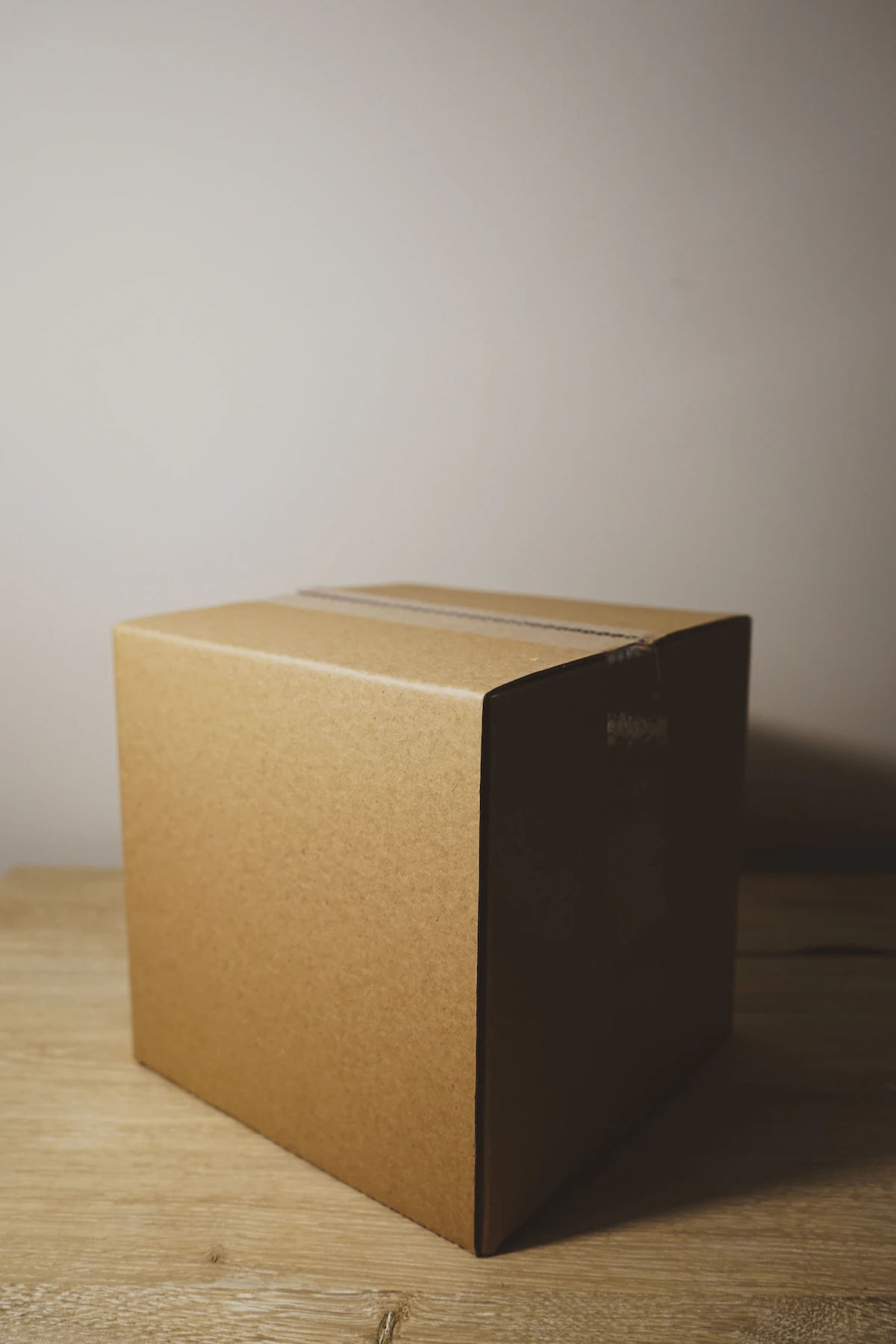
Most home-use tests arrive in plain packaging, because the brand wants your honest reaction, not its logo's. Photo by Brandable Box on Unsplash.
5. Invite-only programs like Amazon Vine
Amazon Vine sends free products to reviewers Amazon has invited, based on their review history. You can't apply; you get invited after writing helpful reviews over time. It's the only legitimate way to get free Amazon products for reviews.
6. Testing apps and websites
If "product" can include software, user testing is the most reliable paid testing work there is. You use an app or website while recording your thoughts, and short tests often pay $5 to $20. See how to make money testing apps and websites.
What a paid home-use test looks like
- The invitation. A short screener asks about your household and habits: "Do you use a dishwasher at least three times a week?"
- The product arrives. Often in plain packaging with a code instead of a brand name, plus instructions.
- You use it as directed. Usually for a few days to a few weeks, sometimes keeping a short diary.
- The survey. Detailed questions about what you liked, what you didn't and whether you'd buy it.
- Payment. Usually a gift card or points a few days to weeks after you finish, and you often keep what's left of the product.
The most important step is following the instructions exactly. Testers who skip steps or answer carelessly stop getting invited.
The review schemes to avoid
You'll see groups on social media and messaging apps offering: "Buy this product, leave a 5-star review, and we'll refund you plus $10." It sounds harmless. It isn't.
- It breaks Amazon's rules, and accounts involved can lose their reviews or be closed.
- In the US, the FTC's rule on fake reviews, in force since October 2024, bans incentives for reviews that must express a particular sentiment. The FTC explains it in its announcement of the final rule banning fake reviews.
- The refund often never arrives, and you've paid for something you didn't want.
Real testing never tells you what opinion to have. If an offer requires a positive review, walk away.
How to get picked as a product tester
- Join several panels. Each brand works with different research companies, so more panels means more invitations.
- Fill in your household profile completely. Pets, children, diet, skin and hair type, brands you use. This is how testers are matched.
- Respond quickly. Test places are limited and fill fast.
- Follow instructions exactly. Testers who use products as directed and answer carefully get invited again.
- Be honest, even when you disliked something. Negative feedback is just as useful to a brand as praise.
Is it worth it?
As a hobby, yes: you'll try new things for free and occasionally earn real money. As an income, it's too unpredictable to rely on. Pair it with steadier options, like surveys and offers for spare minutes, and user testing for focused time. If you want the spare-minute part in one place, you can join Vazpop free and see what's available where you live.
Frequently asked questions
Can you really get paid to test products at home?
Yes. Market research companies run home-use tests where they send you a product, then pay you to answer questions about it. Other programs don't pay cash but let you keep the products. Both are legitimate, as long as you never pay to join.
How much do product testers get paid?
Paid home-use tests and in-person taste tests often pay $25 to $75, and longer focus groups can pay more. Sampling and review programs usually pay only in products, which can still be worth a fair amount.
Is getting free products for Amazon reviews legit?
Only through Amazon's own invite-only Vine program. Groups that refund your purchase in exchange for a 5-star review break Amazon's rules and, in the US, the FTC's 2024 rule banning reviews bought with incentives tied to positive sentiment.
How do I become a product tester with no experience?
Join a few market research panels and sampling programs, and fill in your household profile completely: products you use, pets, children, skin type, diet. Testers are picked by profile, not experience, so an honest, detailed profile is what gets you chosen.
Ready to try it yourself?
Free to join. Every payout is on a ledger you can read, so you always know where you stand.
Create a free accountKeep reading

Comparisons
Is Qmee legit? No-minimum payouts and what recent reviews say
Qmee lets you cash out any amount to PayPal. Its reviews are mixed, mostly over denied surveys. Here's why that happens.
Ben · Nov 1, 2026 · 4 min read

Ways to make money
Side hustles for software engineers: 10 ways to earn without burning out
Ten ways developers earn on the side, from freelancing and micro-SaaS to AI code evaluation and bug bounties, plus the IP and moonlighting rules to check first.
Ben · Nov 1, 2026 · 3 min read

Ways to make money
How to become a UGC creator with no followers: portfolio, pricing and first clients
What UGC is, why followers don't matter, how to build a portfolio from products you own, how to price usage rights, and how to land your first brand.
Ben · Oct 31, 2026 · 3 min read