Is Amazon FBA worth it? The real fees, a worked example, and who it suits

Quick answer
Is Amazon FBA worth it? It can be, but it's a real business with real upfront costs, not a side hustle you start with $100. Professional sellers pay $39.99 a month, a referral fee of around 15% on most categories, FBA fulfilment and storage fees, plus advertising and the cost of stock you buy upfront. It suits people who can source a good product, invest several thousand dollars and treat it seriously. Be very wary of 'done for you' FBA programs.
Fulfilled by Amazon (FBA) sounds like a dream business: send your products to Amazon's warehouses, and Amazon stores them, ships them, handles returns and puts them in front of millions of shoppers. You just collect the money. Some people really have built big businesses this way. Many more have lost money on stock that never sold.
So is Amazon FBA worth it? Here are the real fees, a worked example of profit on one sale, the risks that catch beginners, and who it actually suits.
How Amazon FBA works
You buy products (often your own branded version of an existing product, called private label), ship them to Amazon's fulfilment centres, and list them on Amazon. When a customer orders, Amazon picks, packs, ships and handles customer service. You pay Amazon fees for selling and for fulfilment.
The fees you'll pay
| Fee | What it is |
|---|---|
| Professional selling plan | $39.99 a month |
| Referral fee | A percentage of each sale, 15% in many categories |
| FBA fulfilment fee | Per unit, based on size, weight and price |
| Storage fees | Monthly, higher in the busy season and for slow stock |
| Advertising | Optional, but most new products need it |
Amazon lists these on its selling pricing page. For 2026, Amazon kept referral fees unchanged and raised FBA fees by an average of $0.08 per unit, according to its 2026 fee update.
Is Amazon FBA worth it? The math on one sale
Here's an illustrative example of a small, light product selling for $25. Your real numbers will differ, but the shape is typical.
| Item | Amount |
|---|---|
| Customer pays | $25.00 |
| Product cost, including shipping to Amazon | minus $6.00 |
| Referral fee (15%) | minus $3.75 |
| FBA fulfilment fee (small standard item) | minus about $4.00 |
| Storage and returns, per unit | minus about $0.75 |
| Advertising cost per sale | minus $5.00 |
| Profit per unit | About $5.50 |
That's a healthy product. Sell 300 a month and you'd make around $1,650 before the monthly plan and other costs. But notice how much depends on two lines you don't fully control: advertising cost and how fast the stock sells.
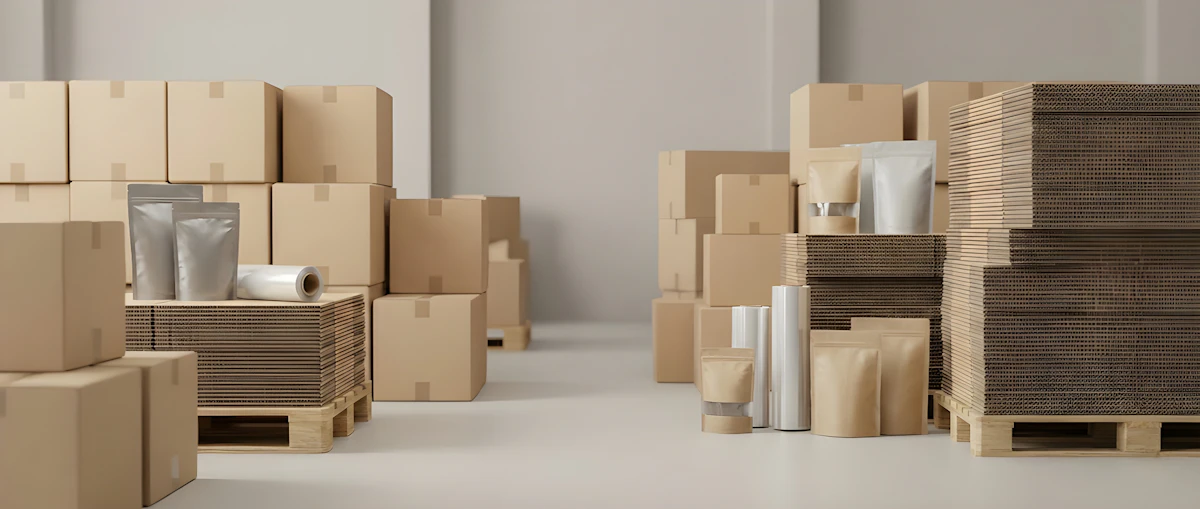
With FBA, you pay for your stock long before you sell it. That's the real risk. Photo by Guilherme Mendes on Unsplash.
The risks that catch beginners
- Upfront inventory. You typically buy hundreds of units before selling one. If they don't sell, that money is stuck in a warehouse, paying storage fees.
- Competition and copycats. Successful products attract competitors, which pushes prices down and advertising costs up.
- Supplier problems. Quality issues, delays and defects become your reviews and returns.
- Account health. Amazon can suspend listings or accounts over complaints, policy issues or paperwork.
- Cash flow. Amazon pays out on a schedule while you're already paying for the next order of stock.
The "automation" trap
A whole industry sells "done for you" Amazon stores and automation programs. In September 2024, the FTC's Operation AI Comply included action against FBA Machine, a scheme that, according to the FTC, promised AI-powered online stores would earn passive income and took more than $15 million from consumers. If someone offers to run an Amazon store for you in exchange for a large upfront fee, walk away.
What makes a good first FBA product
- Small and light, so fulfilment and storage fees stay low.
- Not fragile, to avoid damage and returns.
- Steady demand all year, not a short fad or a single holiday.
- Room to improve on existing listings, based on what their negative reviews complain about.
- No heavy regulation, like supplements, children's products or electronics that need certification, until you have experience.
Who Amazon FBA suits
- People with several thousand dollars they can afford to risk.
- People who enjoy product research, sourcing and numbers.
- People willing to treat it as a business for a year or more before judging it.
- People with a product idea they understand better than competitors.
Lower-risk ways to start
If you're curious but cautious, start where you risk less: resell discounted branded items in small quantities, or learn selling skills with no inventory at all. Flipping secondhand items teaches pricing and product selection; see how to flip items on Facebook Marketplace. Digital products avoid inventory entirely; see how to sell digital products on Etsy. And if you want to earn from Amazon without selling at all, our next guide covers ways to make money with Amazon. Compare it with dropshipping, which avoids inventory but brings thinner margins.
Frequently asked questions
How much money do you need to start Amazon FBA?
More than most videos suggest. Beyond the $39.99 monthly Professional plan, you need to buy inventory upfront, pay for samples, branding, photos, shipping to Amazon's warehouses and launch advertising. Many private label sellers budget several thousand dollars before their first real profit.
What fees does Amazon FBA charge?
The main ones are the Professional selling plan at $39.99 a month, a referral fee on each sale (15% in many categories), FBA fulfilment fees per unit based on size and weight, and monthly storage fees. Advertising is optional but most sellers use it.
Can you do Amazon FBA as a side hustle?
Some people do, especially with online or retail arbitrage, where you resell discounted branded products. Private label FBA, where you create your own product, usually needs more time and money than a typical side hustle.
Are Amazon automation or done-for-you FBA programs legit?
Be extremely careful. In 2024 the FTC acted against programs promising AI-powered or automated Amazon stores that, according to the FTC, took millions from customers who mostly didn't see the promised profits.
Ready to try it yourself?
Free to join. Every payout is on a ledger you can read, so you always know where you stand.
Create a free accountKeep reading

Ways to make money
Side hustles for software engineers: 10 ways to earn without burning out
Ten ways developers earn on the side, from freelancing and micro-SaaS to AI code evaluation and bug bounties, plus the IP and moonlighting rules to check first.
Ben · Nov 1, 2026 · 3 min read

Ways to make money
How to become a UGC creator with no followers: portfolio, pricing and first clients
What UGC is, why followers don't matter, how to build a portfolio from products you own, how to price usage rights, and how to land your first brand.
Ben · Oct 31, 2026 · 3 min read

Ways to make money
Ways to make money with Amazon (without selling a single product)
Nine ways to earn from Amazon without holding inventory, from affiliate links and Kindle books to Flex deliveries and microtasks, with the key rules for each.
Ben · Oct 31, 2026 · 4 min read