Is dropshipping worth it? The honest math, the risks, and when it works

Quick answer
Is dropshipping worth it? For most beginners, not in its classic form. After product cost, shipping, payment fees and advertising, profit per sale is often close to zero, and slow shipping brings refunds, chargebacks and legal obligations like the FTC's rule on shipping times. It can work when you have a strong niche, reliable fast suppliers and your own way to reach customers. Be very wary of courses and 'done-for-you' stores.
The pitch is irresistible: open an online store in an afternoon, never touch a product, let a supplier ship everything, and collect the profit. Thousands of videos show screenshots of five-figure sales days. So why do most people who try dropshipping quietly give up within a few months?
Because the screenshots show revenue, not profit. Here's the honest answer to "is dropshipping worth it," with the real math on a typical sale, the risks nobody mentions, and the situations where it can still work.
How dropshipping works
You list products on your own store. When a customer buys, you order the item from a supplier, who ships it directly to the customer. You never hold stock. Your profit is the difference between what the customer pays and everything it costs you to make that sale happen.
Is dropshipping worth it? The math on one sale
Here's an illustrative example of a common product selling for $25. The numbers are typical of what sellers report, not a guarantee, but the shape is realistic.
| Item | Amount |
|---|---|
| Customer pays | $25.00 |
| Product cost from supplier | minus $8.00 |
| Shipping to customer | minus $4.00 |
| Payment processing (about 3% plus a fixed fee) | minus $1.05 |
| Advertising cost to win this sale | minus $10.00 |
| Share of refunds and chargebacks | minus $1.00 |
| Profit | About $0.95 |
And that's before your store subscription, apps, and the products you tested that never sold. The single biggest line is advertising. If you're paying for every customer through ads, there's often very little left.
The risks nobody mentions
Slow shipping and angry customers
Customers now expect fast delivery. Slow shipping leads to "where is my order?" emails, refunds and chargebacks, and too many chargebacks can get your payment account restricted.
Legal responsibilities
You're the seller, so the rules apply to you, not your supplier. In the US, the FTC's Mail, Internet, or Telephone Order Merchandise Rule requires you to ship within the time you advertise, or within 30 days if you don't state one, and to give customers a delay option or a refund if you can't.
Product quality you never see
You're selling items you've never held. If quality is poor, reviews and refunds land on you.
Copycat competition
A winning product gets copied within days by hundreds of stores, and ad costs rise as everyone bids for the same buyers.
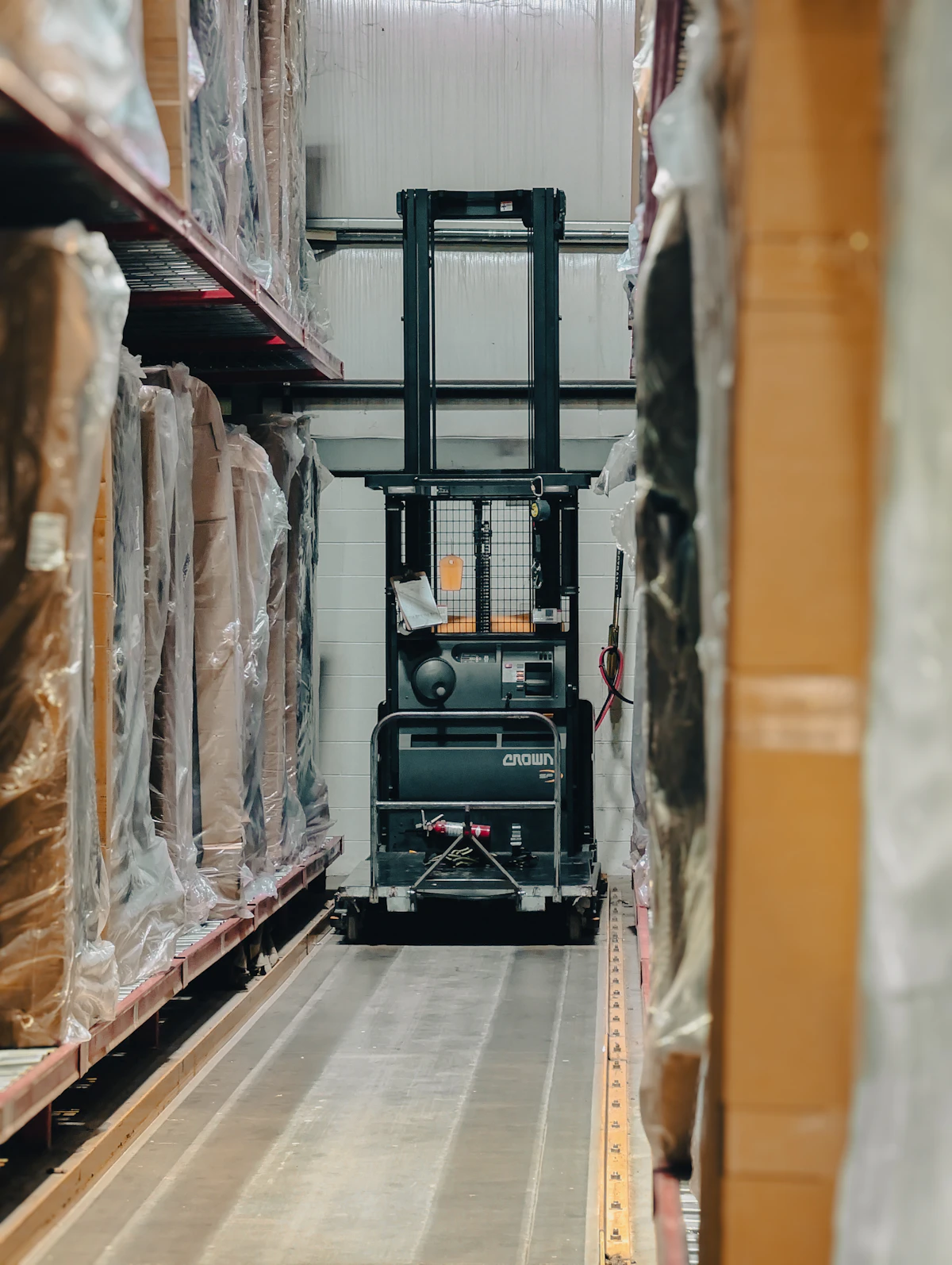
Every box shipped late is a potential refund or chargeback, and in dropshipping, that's on you. Photo by Ashley on Unsplash.
The course and "done for you store" trap
A lot of the money in dropshipping goes to people selling dropshipping. In September 2024, the FTC's Operation AI Comply included action against several online store "business opportunity" schemes that, according to the FTC, promised automated stores and big profits that most customers never received. If someone is selling a store, a course or "mentorship" with income screenshots, be very sceptical.
How to test an idea without losing much
- Order the product yourself first. Check quality, packaging and real delivery time.
- Calculate profit per sale using the table above with your real numbers before spending on ads.
- Set a small, fixed test budget and a date to stop if it isn't working.
- Write down your break-even ad cost: the most you can pay to win one customer and still profit.
- Stop quickly when the numbers don't work. The expensive mistake is hoping a losing product will turn around.
When dropshipping can work
- You have your own audience. A blog, social account or email list that brings customers without paying for every sale.
- You serve a specific niche where you know the customers and the products better than generic stores.
- You use reliable suppliers with fast shipping, ideally domestic ones, and you test the product yourself.
- You treat it as a brand, not a product flip: good photos, honest descriptions, real customer service.
Lower-risk alternatives
If you like selling but not the risk, consider options where you control quality and margins. Flipping secondhand items has healthy margins and no ad spend; see how to flip items on Facebook Marketplace. Digital products have no shipping at all; see how to sell digital products on Etsy. Both teach the same skills (finding demand, presenting products, serving customers) without the thin margins.
The honest verdict
Is dropshipping worth it? For a beginner hoping for quick, easy profit, usually not. For someone with an audience, a niche and patience, it can be one tool among several. Either way, run the math on a single sale before you spend a dollar on ads.
Frequently asked questions
Is dropshipping still profitable?
It can be, but margins are thin for most stores once advertising, fees and refunds are counted. The profitable stores usually have a clear niche, dependable suppliers with fast shipping, and a way to reach customers without paying for every sale through ads.
How much money do you need to start dropshipping?
The store itself can be cheap to set up, but most of the real cost is advertising and testing products, which can add up quickly before you find anything that sells profitably. Budget for losses while you learn.
Is dropshipping legal?
Yes, but you're responsible for the customer experience. In the US, the FTC's Mail, Internet, or Telephone Order Merchandise Rule requires you to ship within the time you advertise, or within 30 days if you don't state one, and to offer a delay option or refund if you can't.
Are dropshipping courses worth it?
Be careful. Many sell the dream more than the method. In 2024 the FTC took action against several online store 'business opportunity' schemes that, according to the FTC, promised profits that most buyers never saw.
Ready to try it yourself?
Free to join. Every payout is on a ledger you can read, so you always know where you stand.
Create a free accountKeep reading

Ways to make money
How to become a UGC creator with no followers: portfolio, pricing and first clients
What UGC is, why followers don't matter, how to build a portfolio from products you own, how to price usage rights, and how to land your first brand.
Ben · Oct 31, 2026 · 3 min read

Ways to make money
Ways to make money with Amazon (without selling a single product)
Nine ways to earn from Amazon without holding inventory, from affiliate links and Kindle books to Flex deliveries and microtasks, with the key rules for each.
Ben · Oct 31, 2026 · 4 min read

Ways to make money
Is Amazon FBA worth it? The real fees, a worked example, and who it suits
What Amazon FBA really costs, a worked example of profit on one sale, the risks of buying stock upfront, and the FBA 'automation' schemes the FTC has acted against.
Ben · Oct 30, 2026 · 3 min read