How to make money online in Germany: an English guide for expats and students

Quick answer
English speakers can make money online in Germany by teaching or tutoring English, freelancing, selling on Kleinanzeigen and Vinted, research studies and user testing, and small online tasks. The rules matter: a Minijob can pay up to €603 a month in 2026, the small business VAT scheme applies up to €25,000 in the previous year and €100,000 in the current one, and non-EU students may work 140 full or 280 half days a year but need permission to freelance.
Germany is a great place to earn a bit extra, but it's also a place where the rules matter. Minijobs, freelance registration, VAT thresholds and student work limits all have specific numbers, and getting them wrong can cause real headaches with the tax office or your residence permit.
This guide is for English speakers, whether you're an expat or an international student. It covers practical ways to make money online in Germany without fluent German, plus the rules you need to know before you start.
Ways to make money online in Germany in English
| Method | German needed? | Good for |
|---|---|---|
| Teaching or tutoring English | No | Native or fluent speakers |
| Freelancing for English-speaking clients | No | Writers, designers, developers |
| Selling on Kleinanzeigen and Vinted | A little helps | Everyone, especially when moving |
| Research studies and user testing | No | Spare hours |
| Surveys and offers | No | Spare minutes |
| Remote work for international companies | Often no | Experienced professionals |
1. Teach or tutor English
Demand for English is strong, from schoolchildren preparing for exams to professionals who need business English. You can teach online or meet students locally. Native or near-native English is your main qualification; a teaching certificate helps you charge more.
2. Freelance for English-speaking clients
Writing, editing, translation, design, development and marketing work for clients in the UK, US or international companies. Being in a central European time zone is handy for clients across Europe. Our guide to freelancing for beginners covers finding the first clients.
3. Sell on Kleinanzeigen and Vinted
Kleinanzeigen is where Germans buy and sell secondhand locally, and Vinted is popular for clothes. When you move flats (and in Germany, you often move with furniture), selling what you don't need is quick money.
4. Research studies and user testing
Online research platforms and user testing sites often accept participants in Germany and many studies run in English. See how to make money testing apps and websites.
5. Surveys and offers
Fine for small change. As a real snapshot, in Vazpop's own offer catalogue in September 2026, the average offer available in Germany paid about US$1.16 at the advertiser level, compared with about US$3.63 in the US, so German amounts are lower but among the better-paid in Europe.
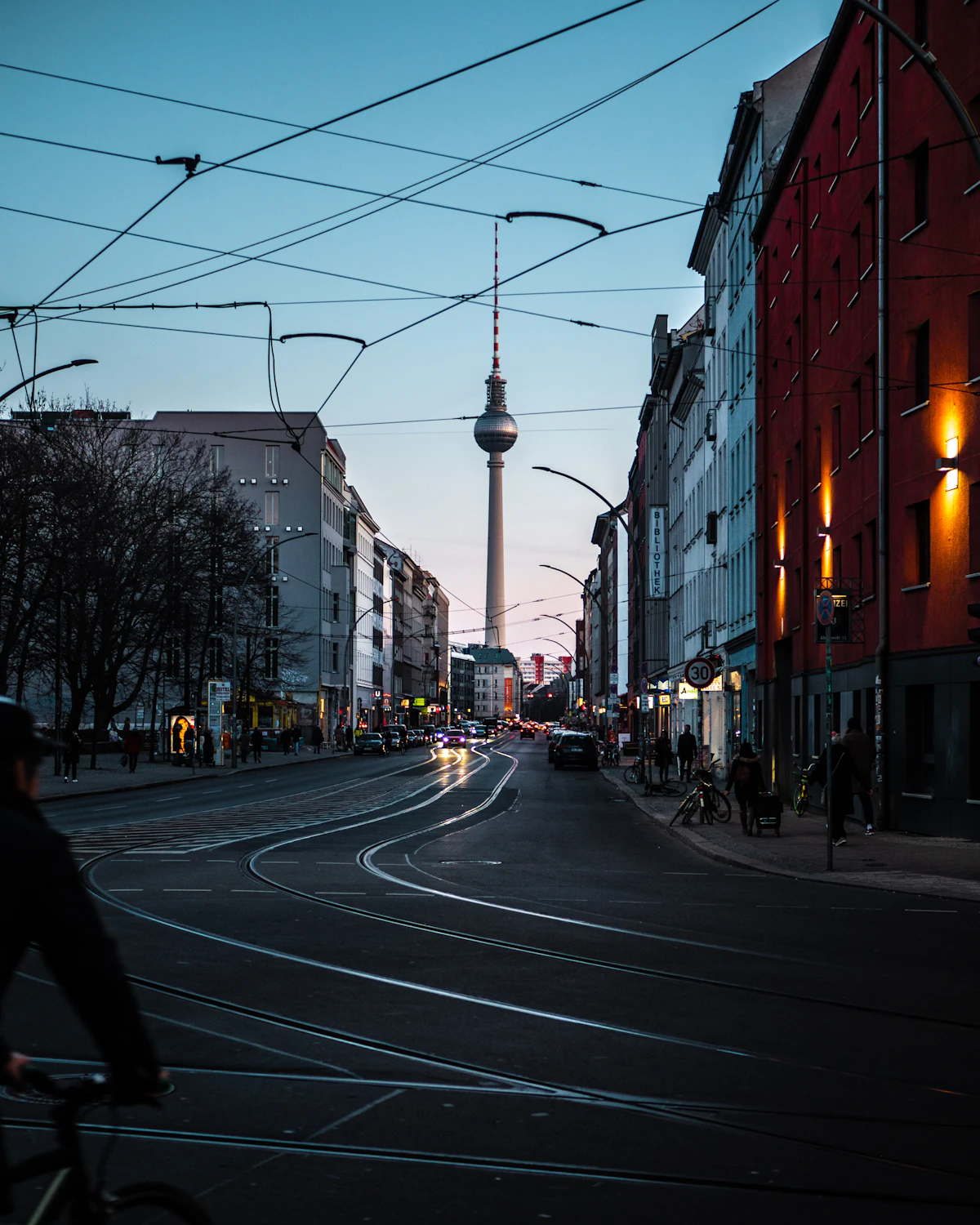
Germany rewards side income that's set up properly, and punishes surprises at tax time. Photo by Chris Curry on Unsplash.
The rules to know
Minijobs: up to €603 a month in 2026
A Minijob is a small employment contract with simplified rules. With the minimum wage at €13.90 an hour in 2026, the Minijob earnings limit rose to €603 a month, or €7,236 a year, as the Minijob-Zentrale explains. Online and remote Minijobs exist, for example in customer support or content moderation.
Freelancing: register first
Freelance or self-employed income must be registered. Liberal professions such as writing, teaching and translation usually register with the tax office, while commercial activities like selling products need a trade registration (Gewerbeanmeldung) as well. If you're employed and earn on the side, the side income still has to be declared.
Small business VAT scheme
Since 2025, the small business scheme (Kleinunternehmerregelung) lets you skip charging VAT if your revenue was no more than €25,000 in the previous year and stays under €100,000 in the current year, as the IHK München explains. Most side incomes fit comfortably within it.
International students: check your permit
Non-EU students can generally work 140 full days or 280 half days a year in employment. Freelancing and self-employment are different: they usually need explicit permission from the foreigners' office, which the BAMF covers in its guidance on self-employment. Don't start freelancing on a student permit without checking first.
Getting paid and keeping records
Most German clients pay by bank transfer, and international clients often use PayPal or transfer services. Keep every invoice and a simple list of income and expenses from the start: German tax returns expect clear records, and a tidy spreadsheet makes filing far easier. If your side income grows, a tax adviser (Steuerberater) can save you more than they cost, especially in your first year of freelancing.
What to avoid
- Unregistered freelance income. The tax office does find out.
- Using a VPN on survey or offer sites to appear American. It's banned and gets accounts closed.
- "Job offers" by WhatsApp asking you to like videos or rate products, then deposit money.
- Anyone asking to receive money through your German bank account and forward it. That can make you part of money laundering.
A sensible start
If you're a student, start with a Minijob or research studies and check your permit before freelancing. If you're an expat professional, register as a freelancer and look for English-speaking clients. Either way, sell what you don't need on Kleinanzeigen first; it's the fastest money in Germany. For more ideas, see our starter map for making money online and the UK guide for comparison.
Frequently asked questions
Can international students freelance in Germany?
Non-EU students can generally work 140 full days or 280 half days a year in employment, but self-employment and freelancing usually need explicit permission from the foreigners' office. Check your residence permit and ask before you start any freelance work.
What is the Minijob limit in 2026?
In 2026 a Minijob can pay up to €603 a month, or €7,236 a year, following the rise in the minimum wage to €13.90 an hour.
Do I need to charge VAT as a freelancer in Germany?
Not if you qualify for the small business scheme (Kleinunternehmerregelung): since 2025 that applies if your revenue was no more than €25,000 in the previous year and stays under €100,000 in the current year. Above that, regular VAT rules apply.
What are the easiest ways to make money online in Germany in English?
Teaching or tutoring English, selling things on Kleinanzeigen or Vinted, research studies and user testing, and freelancing for English-speaking clients are the easiest to start without fluent German.
Ready to try it yourself?
Free to join. Every payout is on a ledger you can read, so you always know where you stand.
Create a free accountKeep reading

Ways to make money
How to become a UGC creator with no followers: portfolio, pricing and first clients
What UGC is, why followers don't matter, how to build a portfolio from products you own, how to price usage rights, and how to land your first brand.
Ben · Oct 31, 2026 · 3 min read

Ways to make money
Ways to make money with Amazon (without selling a single product)
Nine ways to earn from Amazon without holding inventory, from affiliate links and Kindle books to Flex deliveries and microtasks, with the key rules for each.
Ben · Oct 31, 2026 · 4 min read

Ways to make money
Is Amazon FBA worth it? The real fees, a worked example, and who it suits
What Amazon FBA really costs, a worked example of profit on one sale, the risks of buying stock upfront, and the FBA 'automation' schemes the FTC has acted against.
Ben · Oct 30, 2026 · 3 min read