Side hustles for teachers: 10 ways to earn with the skills you already have

Quick answer
The best side hustles for teachers build on skills you already use every day: private tutoring, selling lesson resources on marketplaces like Teachers Pay Teachers, scoring exams such as AP responses, writing curriculum for publishers and edtech companies, AI training work that needs subject experts, and summer programs. Check your district's policies first, especially on tutoring your own students and selling materials made on school time.
Teachers have skills that businesses, parents and students pay good money for: explaining hard things simply, designing learning materials, assessing work fairly, and staying calm with a room full of people. Yet many teachers assume their only side option is a summer job in retail.
Here are ten side hustles for teachers that build directly on what you already do, what each involves, and the district rules to check before you start.
Side hustles for teachers at a glance
| Side hustle | When | Uses which skill |
|---|---|---|
| Private tutoring | Evenings and weekends | Subject expertise |
| Selling lesson resources | Any time, sells continually | Material design |
| Exam scoring (e.g. AP Reading) | June | Assessment |
| Curriculum writing | Summer or contract basis | Lesson design |
| AI training for subject experts | Flexible | Subject expertise and marking |
| Online teaching | Flexible | Teaching |
| Test prep coaching | Before exam seasons | Exam knowledge |
| Summer camps and programs | Summer | Classroom management |
| Education writing | Flexible | Writing and expertise |
| Workshops for parents or teachers | Evenings, school breaks | Presenting |
1. Private tutoring
The best-paid option per hour for most teachers. Parents value a real teacher, especially before exams. Tutor online to reach students beyond your area. Check your district's policy: many don't allow tutoring your own current students for pay.
2. Selling lesson resources
Worksheets, unit plans, task cards and classroom decor sell on marketplaces like Teachers Pay Teachers. According to its seller fees page, Basic sellers keep 55% of each sale minus a transaction fee, and Premium sellers pay an annual fee and keep 80%. Resources compound: a good unit can sell for years. For selling more widely, see how to sell digital products on Etsy.
3. Exam scoring
The College Board recruits AP teachers and college faculty as AP Readers to score exam responses every June, with both in-person and at-home options, as explained on its page about how to become an AP Reader. Other testing organisations also hire experienced educators as scorers.
4. Curriculum writing
Publishers, edtech companies and online schools hire teachers to write lessons, assessments and teacher guides. It often runs on summer contracts and pays per project.
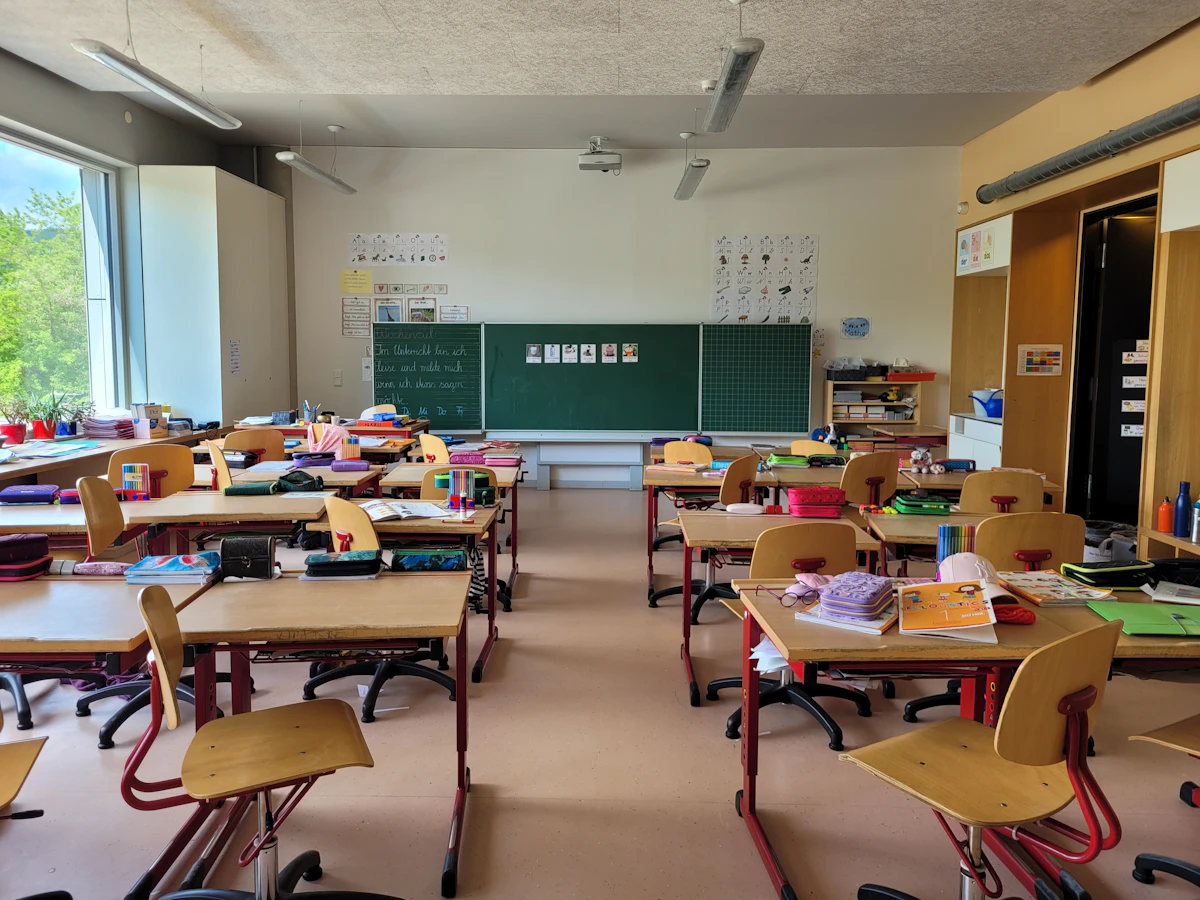
The skills that fill a classroom every day are worth money outside it too. Photo by Nathan Cima on Unsplash.
5. AI training for subject experts
AI companies pay experts to judge and improve answers in maths, science, history, languages and more, which is essentially marking with detailed feedback. Specialist projects pay considerably more than general ones. See how to get paid to train AI.
6. Online teaching
Online schools and language platforms hire teachers for live classes. Hours are flexible, and some platforms serve students in other time zones, which suits early mornings or evenings.
7. Test prep coaching
Families pay well for help before entrance exams and standardised tests. Small group sessions let you earn more per hour while keeping prices affordable for parents.
8. Summer camps and programs
Academic camps, enrichment programs and summer schools want experienced teachers. It's reliable summer income with familiar work.
9. Education writing
Parenting sites, education publishers and edtech blogs pay for articles written by real teachers. Your classroom stories are exactly the first-hand experience that editors want.
10. Workshops
Run paid workshops for parents (how to support reading at home) or professional development sessions for other teachers, in person or online.
How to price tutoring
Research what other tutors charge locally and online for your subject and level, then position yourself as a qualified teacher, which usually justifies a higher rate than a student tutor. Offer packages of several sessions, set a clear cancellation policy, and consider small groups before exams, which lowers the price per family while raising what you earn per hour.
Check these rules first
- Outside employment policies. Some districts require you to report side work.
- Ownership of materials. Resources made on school time or with school equipment may belong to the district.
- Tutoring your own students. Often not allowed for pay.
- Use of student work. Never sell or share student work or data.
Protect your energy
Teaching is exhausting, and a side hustle shouldn't cost your health. Many teachers keep term time light (a couple of tutoring sessions a week) and do the bigger projects in summer. Our guide to making money on the side with a full time job has more on setting sustainable limits, and freelancing for beginners helps if you want to turn curriculum or writing work into steady clients.
Frequently asked questions
What is the best side hustle for teachers?
Private tutoring usually pays best per hour and uses skills you already have. Selling lesson resources can build income that keeps coming, and scoring exams or writing curriculum pays well during summer and school breaks.
Can teachers sell their lesson plans online?
Often yes, but check your district's policy and your contract first, because some districts claim ownership of materials created on school time or with school resources. Resources you create on your own time and equipment are usually safest to sell.
How much do Teachers Pay Teachers sellers earn?
It varies enormously. Basic sellers keep 55% of each sale minus a transaction fee, while Premium sellers pay an annual fee and keep 80%. A few sellers earn a full income, but most earn modest amounts that grow as they add resources.
Can teachers get paid to grade AP exams?
Yes. The College Board recruits AP teachers and college faculty as AP Readers to score exam responses each June, with in-person and at-home options. AP teachers currently teaching their subject can apply.
Ready to try it yourself?
Free to join. Every payout is on a ledger you can read, so you always know where you stand.
Create a free accountKeep reading

Ways to make money
How to become a UGC creator with no followers: portfolio, pricing and first clients
What UGC is, why followers don't matter, how to build a portfolio from products you own, how to price usage rights, and how to land your first brand.
Ben · Oct 31, 2026 · 3 min read

Ways to make money
Ways to make money with Amazon (without selling a single product)
Nine ways to earn from Amazon without holding inventory, from affiliate links and Kindle books to Flex deliveries and microtasks, with the key rules for each.
Ben · Oct 31, 2026 · 4 min read

Ways to make money
Is Amazon FBA worth it? The real fees, a worked example, and who it suits
What Amazon FBA really costs, a worked example of profit on one sale, the risks of buying stock upfront, and the FBA 'automation' schemes the FTC has acted against.
Ben · Oct 30, 2026 · 3 min read